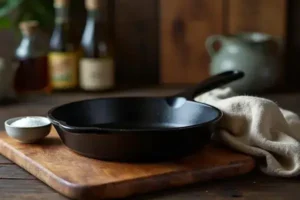
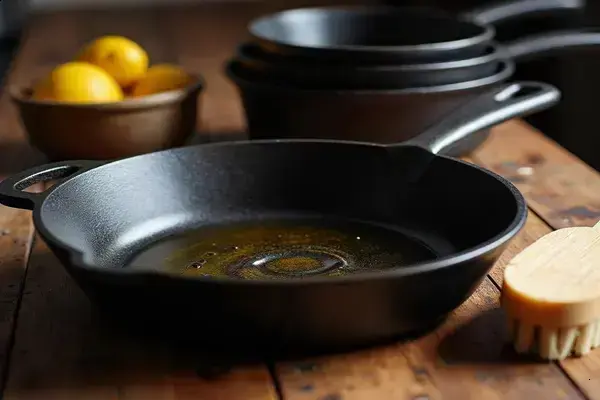
Picture this: You’ve just cooked a mouthwatering steak in your cast iron skillet—crispy edges, perfect sear. Now you’re staring at the mess, unsure if you’ll ever get it clean without sacrificing that golden, nonstick surface.
Here’s the thing—scrubbing too hard or using the wrong cleaner can wreck the very “seasoning” that makes cast iron special. I’ve seen plenty of good pans go from hero to heartbreak, all because someone didn’t know how to treat them right.
By the time you finish reading, you’ll know exactly how to clean cast iron skillet without losing that hard-earned seasoning (or your sanity). Ready to make cleanup the easiest part of dinner?
Why Your Cast Iron Skillet Needs Special Care
Why do cast iron skillets inspire so much debate and devotion? It boils down to one thing: the unique combination of iron and seasoning that gives these pans their legendary status for both home cooks and professional chefs. Cast iron isn’t like stainless steel or nonstick — it demands attention, and when you get it right, you’re rewarded with unbeatable flavor and performance.
The truth is, cast iron’s porous surface soaks up oils during cooking, forming a “seasoned” layer that acts as a natural nonstick shield. This isn’t just marketing hype — it’s chemistry, recognized by organizations like America’s Test Kitchen, which highlight seasoning as the key to cast iron’s longevity and cooking prowess.
💡 Pro Tip: Never soak cast iron skillets in water or run them through a dishwasher. According to Lodge Cast Iron, excess moisture will strip seasoning and can cause instant rust, undoing years of careful care in a single night.
In practice: Imagine your favorite breakfast hash browns sliding effortlessly out of a pan that’s older than you are. The nonstick magic isn’t from a chemical coating — it’s from layers of well-maintained oils. But ignore your skillet for just a weekend, let it air dry or scrub it raw, and suddenly your next meal sticks and tastes like old metal. That’s the real-world risk.
The Science Behind the Magic
Cast iron retains heat incredibly well, which means once it heats up, it cooks food evenly — perfect for searing, baking, and caramelizing. But here’s what most home cooks miss: it’s also highly reactive if not properly seasoned. Exposing bare iron to acids or water strips away that protective coating, opening the door for rust and loss of flavor. The seasoning layer is fragile — yet with gentle cleaning and a little respect, your pan only gets better with time.
| Material | Benefit | Vulnerability |
|---|---|---|
| Cast Iron | Retains heat, develops nonstick with seasoning | Rusts quickly, loses seasoning if mistreated |
| Stainless Steel | Resists rust, easy care | Never nonstick, can scorch food |
| Nonstick Coating | Easy clean, food won’t stick | Wears out, not for high heat, can chip |
But here’s one more thing — cast iron’s “personalized patina” is kind of like a coffee lover’s seasoned mug: the more you use it (and treat it well), the better it gets. And this is exactly where most people make the most common mistake…
Common Mistakes That Can Ruin the Seasoning
Ever wondered why some people’s cast iron pans lose their sheen or start sticking out of nowhere? The truth is, there are a handful of common mistakes that can quietly destroy even the most beautiful seasoning — and once it’s gone, you’re left with food that clings to the pan and flavors that fade fast. Many of these mistakes happen when you’re just trying to clean up quickly or make cooking easier, and that’s exactly when damage strikes.
- Soaking the Pan: Water is the enemy of seasoning. Leaving your skillet submerged, even for an hour, can break down the protective oil layers and kickstart rust.
- Using Dish Soap Liberally: While a tiny drop now and then might be okay, scrubbing with soap every time strips the very oils that make your pan nonstick and flavorful.
- Harsh Scrubbers and Steel Wool: These act like sandpaper. Even one aggressive scrub can remove seasoning that took months to build.
- Neglecting Drying: Leaving a washed pan to air dry allows beads of water to sit on the surface. That’s rust territory, especially in humid kitchens.
- Cooking Acidic Foods Frequently: Tomatoes, vinegar, and wine eat away at the seasoning layer when cooked too often, especially on recently seasoned pans.
⚠️ Important Warning: According to The Culinary Institute of America, never put a hot cast iron skillet in cold water—the thermal shock can cause not only seasoning loss but cracks in the iron itself.
Picture this scenario: After a long Sunday dinner, Alicia drops her still-warm skillet into the sink full of cold, soapy water — thinking she’ll wash it later. By Monday morning, the once-slick surface is dull and slightly orange with rust streaks. That “shortcut” now means hours of re-seasoning ahead.
| Mistake | Immediate Effect | Long-term Impact |
|---|---|---|
| Soaking in water overnight | Loss of sheen, rust spots | Destroyed seasoning, sticky food |
| Scrubbing with steel wool | Patches of bare iron | Need for full reseasoning |
| Cooking tomatoes often | Acidic pitting, dull flavor | Irregular seasoning, frequent upkeep |
What actually works might surprise you…
Step-By-Step Guide To Cleaning Without Stripping Flavor
How do you actually clean a cast iron skillet without undoing all your hard work? The secret is gentle care and the right order of steps — not harsh chemicals or frantic scrubbing. You don’t need to baby your pan, but you do need the proven method used by cast iron pros and respected brands like Lodge and America’s Test Kitchen.
- Soft sponge or non-abrasive brush
- Coarse kosher salt (optional for stuck-on food)
- Paper towels or lint-free cloth
- Neutral cooking oil (like canola or grapeseed)
- Wipe out excess food: While the skillet is still warm (not hot), use a paper towel to remove leftover bits and grease.
- Add warm water: Give the pan a splash of warm water. Never use cold water on a hot skillet—it can warp or crack the metal.
- Gentle scrub: Using a soft brush or sponge, scrub the surface lightly. For stubborn residue, sprinkle a tablespoon of kosher salt and use the brush.
- Quick rinse and dry: Pour out the water and immediately dry the skillet with a towel—don’t let it air dry, or you risk rust.
- Oil and buff: While the pan is still a bit warm, add a teaspoon of neutral oil and wipe it over the surface with a clean towel, restoring your nonstick finish.
💡 Pro Tip: Never put cast iron in the dishwasher or soak it. According to the USDA Food Safety and Inspection Service, high heat and moisture can break down built-up seasoning in a single cycle.
In practice: Imagine finishing a cozy one-pan dinner and cleaning up in less than five minutes—with your skillet looking better each time. Following these steps won’t just protect your seasoning, it’ll build an heirloom-worthy pan you’ll be proud to pass on.
Approximate Time Needed
| Step | Time Required | Why It Matters |
|---|---|---|
| Wipe Out Excess | 1 minute | Removes large debris, prevents stuck food |
| Scrub & Rinse | 2 minutes | Saves seasoning layer, prevents rust |
| Dry & Oil | 2 minutes | Seals surface, keeps nonstick effect |
But there’s one detail most owners completely overlook until it’s too late…
What To Do When Food Is Stuck Or Rust Appears
Ever pulled out your cast iron skillet only to find bits of last week’s dinner welded to the surface—or, even worse, new patches of rust? It’s frustrating, but it’s not the end for your trusty pan. Here’s the thing: stuck food and rust are common, even for seasoned home cooks. What matters is knowing how to tackle them fast, without sacrificing the pan’s valuable seasoning layer.
- Add Salt and Scrub: Pour a tablespoon of coarse kosher salt into the dry pan. Scrub with a paper towel or a non-metal brush—no soap—until stuck-on bits loosen.
- Boil Water for Stubborn Residue: For stubborn areas, add a small amount of water and heat the skillet until just simmering. Use a spatula to gently scrape up remaining food.
- Dry Immediately: After cleaning, dry your skillet with a towel, then heat it on low for a few minutes. This step drives out hidden moisture that causes rust.
- Rust Removal: If rust spots appear, scrub them with a paste made from baking soda and water using a soft sponge. Rinse and dry immediately.
- Reseason if Needed: When the surface feels rough or looks bare, rub a thin layer of neutral oil over the pan, then bake it upside down in a 400°F oven for 1 hour (put foil on the bottom rack to catch drips).
💡 Pro Tip: The National Center for Home Food Preservation recommends gentle cleaning, immediate drying, and routine seasoning after rust removal—aggressive methods can permanently damage the iron.
In practice: Picture this scenario—James forgets his skillet on the stovetop overnight and finds reddish streaks with sticky spots by morning. He scrubs gently with salt, boils a little water to loosen the gunk, towel-dries, and adds a quick layer of oil before storing. No panic, no costly replacements—just a skillet that’s ready for another decade of use.
Quick Reference Table: Skillet Emergencies
| Problem | First Response | When You Need to Reseason |
|---|---|---|
| Stuck Food | Salt scrub or simmer water | Surface feels rough, food keeps sticking |
| Small Rust Spots | Baking soda paste | After rust removal, always reseason |
| Major Rust or Bare Iron | Steel wool & full reseasoning | Essential for deep restoration |
And this is exactly where most people make the most common mistake…
Seasoning Tips To Keep Your Skillet Nonstick For Years
Is your cast iron skillet losing its slick, beautiful patina? That nonstick magic doesn’t happen by chance—it’s the result of mindful seasoning over time. The truth is, a few deliberate habits can mean the difference between a patchy, sticky surface and a pan you’ll never want to replace. You don’t need exotic products or secret tricks—just consistency and the right oil.
- Choose the right oil: Neutral, high-smoke-point oils like grapeseed, canola, or flaxseed work best. Avoid butter or olive oil—they burn at lower temperatures and can leave sticky residue.
- Apply thin, even layers: Too much oil creates a gummy mess; wipe your skillet until it looks almost dry before heating.
- Always heat until smoking: After oiling, heat your skillet on the stovetop or in the oven until you see a light smoke. This step polymerizes the oil, forming a hard protective shell.
- Repeat after big cleanups: Lost some seasoning to stuck food or rust? Just repeat the oil-and-heat cycle to rebuild that nonstick coat.
- Store wisely: Place a folded paper towel between stacked pans. This absorbs moisture and prevents accidental scratches on your fresh seasoning.
💡 Pro Tip: According to America’s Test Kitchen, the most effective way to maintain long-term seasoning is to use your skillet often—each use means more microscopic layers of protection and flavor.
In practice: Imagine Lisa, who cooks in her cast iron several times a week. She oils lightly after each wash, always heats the pan until just smoking, and keeps it dry. Two years in, her skillet releases eggs with a gentle shake—no special sprays, no headaches. That’s the payoff of solid seasoning habits.
Popular Oils for Seasoning: Comparison Table
| Oil Type | Smoke Point | Why (or Why Not) Use |
|---|---|---|
| Grapeseed Oil | ~420°F (216°C) | Light, easy to find, resists sticky buildup |
| Flaxseed Oil | ~225°F (107°C) | Hard finish, but expensive and can flake |
| Canola Oil | ~400°F (204°C) | Affordable, widely used, good for weekly use |
Small steps, repeated consistently, make the biggest difference over time.
Your Skillet Can Last Generations
There’s a real confidence in knowing your cast iron will stay nonstick, rust-free, and packed with flavor for years. If you take just one thing from this guide, let it be: gentle cleaning and regular seasoning are what keep your cast iron skillet nearly indestructible.
Maybe before you felt nervous every time something stuck or rusty patches showed up. Now you know the cleanup steps, how to revive worn surfaces, and why those small seasoning habits matter so much. You can go from worrying about ruining your pan to actually enjoying every meal you cook. It’s all in your hands—honestly, it’s easier than you think.
What’s the first new habit you’ll try with your skillet—gentle cleaning, salt scrubs, or oiling after use? Tell us below and share your cast iron wins!

Blake Aaron Mercer is a cast iron cookware enthusiast and home cook dedicated to helping everyday people get the most out of their skillets, Dutch ovens, and griddles. With years of hands-on experience seasoning, restoring, and cooking with cast iron, Blake built Hnnew to be the honest, practical cast iron resource he always wished existed when he was starting out.