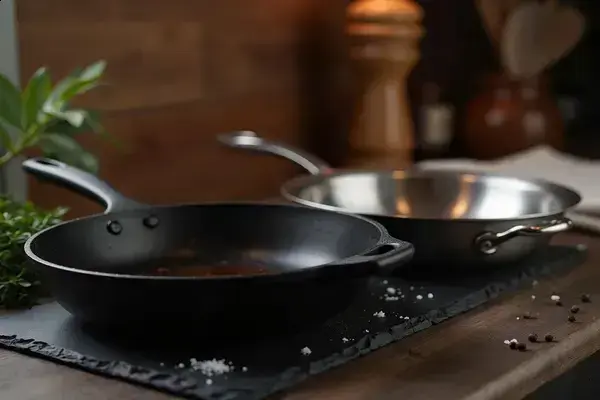
Picture this: you’re standing in your kitchen, holding a heavy cast iron pan in one hand, a shiny stainless steel skillet in the other. Both promise perfect results—but which one’s really going to get you that golden crust or those foolproof sauces?
It’s a common struggle (and honestly, a little intimidating). Choosing the wrong cookware can mean meals that stick, flavors that fall flat, and extra cleanup you never signed up for. That split-second decision can turn a great dish into a kitchen headache.
By the end of this guide, you’ll know exactly when each shines—and where it stumbles—so you can finally stop second-guessing your tools. This is the only cast iron vs stainless steel guide you’ll ever need. Ready to cook smarter? Let’s get into it.
Key Differences Between Cast Iron And Stainless Steel
Most people stand in the kitchen, eyeing a cast iron skillet and a stainless steel pan, and wonder—do the differences really matter in everyday cooking? The answer: absolutely, and in more ways than you’d expect.
At the core, it all comes down to three things: heat retention, surface reactivity, and maintenance. Cast iron boasts exceptional heat retention; once hot, it stays hot—making it perfect for searing steaks and slow-cooking stews. Stainless steel, on the other hand, excels at quick, even heating and responds rapidly to changes in temperature, giving you more control with delicate foods.
| Feature | Cast Iron | Stainless Steel |
|---|---|---|
| Heat Retention | Exceptional — holds heat for long periods | Good — quick to heat and cool |
| Surface Reactivity | Reactive — can react with acidic foods | Non-reactive — safe for all types of food |
| Weight | Very heavy | Light to moderate |
| Maintenance | Requires seasoning and hand-washing | Dishwasher safe; no seasoning needed |
| Non-stickability | Develops natural non-stick over time | Needs oil for stickier foods |
💡 Pro Tip: The American Culinary Federation advises using stainless steel for tomato sauces and wine reductions, since cast iron’s surface can leach metallic flavors into acidic dishes. That’s a detail even many pros miss!
In practice:
Picture this scenario: you’re trying to get that signature steakhouse sear and caramelization. You grab your cast iron—it holds the heat so the crust develops beautifully. Next night, you’re whipping up a lemony white wine sauce. Stainless steel wins here, letting flavors shine without any off-notes.
The science backs it up, too. According to testing by Cook’s Illustrated, well-made stainless steel pans distribute heat more evenly, while cast iron’s main strength is holding its temperature steady, not moving it quickly across the surface.
- Cast iron for: searing, frying, baking, and dishes that start on the stove and finish in the oven
- Stainless steel for: sautéing, making pan sauces, cooking acidic foods, and browning without the need for seasoning
But there’s one detail most owners completely overlook until it’s too late…
When To Choose Cast Iron: Best Uses And Limitations
Ever look at that hefty cast iron skillet and wonder: is it really the right tool for tonight’s dinner—or just adding extra weight to your cabinet? The truth is, cast iron cookware shines brightest in certain situations and can be a stubborn mismatch in others.
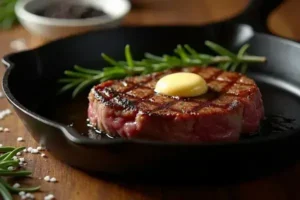
For searing meats, roasting vegetables, or baking in the oven, few things match cast iron’s heat retention and durability. Picture this scenario: you’re craving a perfectly seared ribeye. You’ve preheated the skillet until it’s nearly smoking, dropped in your steak, and—just listen to that sizzle. Those deep caramelized crusts you see at top steakhouses? That’s cast iron doing its job, holding heat like a champ and giving steak that golden exterior cooks dream about.
- Best used for: High-temperature searing, oven-to-table casseroles, cornbread, pizzas, and deep-frying (thanks to its even, stable heat).
- Can go from stovetop straight into the oven—no plastic, no worries.
- Natural non-stick improves with seasoning and continued use.
💡 Pro Tip: According to The Lodge Cast Iron Company and guidelines from the USDA, properly seasoned cast iron adds a safe, tiny boost of dietary iron to your meals—especially useful for people with mild iron deficiency.
But there are real limits. Acidic recipes—think tomato sauces, wine braises, or pan deglazing—can damage the seasoning layer and leave your dish with a faint metallic tang. Sticky or delicate items (omelets, fish fillets) often stick unless your seasoning is top-notch, which for most home cooks takes time and practice. If you struggle to keep your cast iron rust-free, humidity and improper drying are usually to blame.
In practice: a friend raves about her grandma’s cornbread, always baked in the same well-loved cast iron pan—never the same texture in a regular baking dish. But when she tried to simmer marinara in it, the result was sadly off: the acid stripped away the smooth finish, making cleanup a chore.
- Preheat your skillet well before adding food—it prevents sticking and ensures even sear.
- Use oils with high smoke points (canola, grapeseed) for best results.
- Promptly clean and dry cast iron after each use to avoid rust.
- Apply a light oil layer after cleaning; store in a dry place.
- If food starts to stick, refresh seasoning with heat and oil.
And this is exactly where most people make the most common mistake…
When Stainless Steel Is The Smarter Option
Ever wonder why so many professional kitchens rely on stainless steel pans? The answer isn’t just about looks—it’s about performance, versatility, and reliability when you need it most.
Stainless steel truly shines when you’re aiming for maximum control. It heats up quickly and cools down just as fast—so if you need to adjust your cooking on the fly, you can. There’s no protective seasoning to damage, so you’re free to add a splash of wine or vinegar and get those classic pan sauces singing. And since the surface doesn’t react with acidic or alkaline foods, everything tastes exactly as it should, without off-flavors.
- Perfect for browning chicken or fish before deglazing the pan.
- Ideal for making caramel, candy, or sauces that need a non-reactive surface.
- Great for searing, sautéing, and reducing without worrying about maintenance.
💡 Pro Tip: According to America’s Test Kitchen, stainless steel is the go-to for developing fond (the flavorful browned bits) and capturing it in sauces—something nonstick and cast iron just can’t achieve the same way.
Picture this scenario: You’re in a rush on a weeknight, and you grab a stainless steel pan to sauté onions. Five minutes later, you’ve got golden, even browning, and nothing sticks (as long as you preheat and use enough oil). Deglazing with wine lifts up all that flavor—you get a professional-quality sauce in a flash.
- Preheat the pan until water droplets dance and evaporate.
- Add neutral oil with a high smoke point for crisp browning.
- Let proteins naturally release—don’t force them or they’ll tear.
- Deglaze with a splash of liquid (wine, broth, lemon juice) to create a pan sauce.
- Clean up is a breeze: most stainless pans are dishwasher safe or scrub up fast with a non-abrasive pad.
Here’s the thing: commercial kitchens and culinary schools like The Culinary Institute of America back stainless steel for technique-driven dishes and consistent reliability. Still, what actually works might surprise you…
Care And Maintenance: Tips To Make Them Last
Ever burned your favorite skillet or spotted rust and thought—can I save this? The way you treat your cookware isn’t just about making it last. It’s about preserving performance, flavor, and peace of mind in the kitchen.
The steps for taking care of cast iron and stainless steel are different but equally important. Ignore one step and you’ll risk ruining those high-value investments. Here’s a no-fuss guide:
- Always let pans cool before washing. Sudden temperature changes—like rinsing a hot pan with cold water—can warp or crack cookware.
- For cast iron: Hand wash only, using hot water and a stiff brush or salt scrub. Avoid soap and never soak (rust risk!).
- Dry cast iron completely on low heat, then lightly coat with oil (think flaxseed or canola), building up a protective non-stick seasoning.
- For stainless steel: It’s safe in the dishwasher, but hand washing with a gentle sponge prevents water spots and keeps shine.
- Remove burnt bits from stainless pans by simmering water and baking soda, using gentle scrubbing pads—no steel wool, please, or you’ll scratch the finish.
⚠️ Important Warning: According to U.S. Department of Agriculture recommendations, always ensure cookware is thoroughly dry before storing—trapped moisture invites rust for cast iron and pitting for stainless steel.
In practice: Picture this scenario—after a rainy week, you discover speckles of rust on your trusted old skillet. Don’t panic. Scrub with a paste of baking soda and oil, rinse, dry on the stove, and reapply a thin oil layer. With enough care, you’ll salvage that seasoning and protect your investment for years to come.
| Action | Cast Iron | Stainless Steel |
|---|---|---|
| Cleaning | Hand wash, no soap, no soaking | Dishwasher safe or hand wash |
| Drying | Heat gently, oil after drying | Dry with towel to avoid spots |
| Reconditioning | Re-season with oil as needed | Buff out stains with baking soda |
And this is exactly where most people make the most common mistake…
How To Decide: Matching Cookware To Your Cooking Style
How do you actually choose between cast iron and stainless steel without second-guessing every recipe? Here’s the thing: matching cookware to your cooking style isn’t just about brand loyalty—it’s about what really works with the meals you love to create.
First, ask yourself: do you love taking things slow, setting and forgetting, letting flavors build over time? Or are you the quick-sauté, sauce-in-ten-minutes, nothing-sticks kind of cook? The answer can steer you straight to your ideal pan.
| Cooking Style | Best Match | Why? |
|---|---|---|
| Slow roasting, braising, baking | Cast Iron | Superior heat retention and even baking over time |
| Searing meats, deep frying, oven-to-table | Cast Iron | Stays hot—perfect for crusts and crispy edges |
| Quick sautés, pan sauces, daily meals | Stainless Steel | Responds rapidly to temp changes; non-reactive for sauces |
| Cooking acidic foods | Stainless Steel | No flavor transfer or off-notes; no seasoning damaged |
💡 Pro Tip: According to the Good Housekeeping Institute, pros often keep both types—starting a steak on stainless steel for the fond, then finishing it in cast iron for that unbeatable crust.
In practice: Picture this scenario—Sarah is all about comfort food. She slow-roasts short ribs all Sunday, bakes sourdough on Saturday, and uses her cast iron for pizza with crisp, chewy crusts. Her brother Mike? He’s making quick stir-frys, bright tomato sauces, and buttery chicken piccata—never once scrubbing rust off anything. They each pick the tool that matches their favorites, and their results speak for themselves.
- If you want one pan for everything, a tri-ply stainless steel skillet (brands like All-Clad or Tramontina) fits the bill—lightweight, versatile, and easy to clean.
- If owning both is an option, start with a 10- or 12-inch cast iron skillet (Lodge or Le Creuset) and a 10-inch stainless steel sauté pan. You’ll be set for nearly any meal.
- Still unsure? Test your go-to recipes in both, and see how the results—and the cleanup—fit your real kitchen routine.
The right habits in place now make everything easier from here.
Your Kitchen Confidence Starts Here
If you take just one thing from this cast iron vs stainless steel guide, let it be: the right pan can turn a good meal into a great one when you match it to your cooking style. Heat retention, reactivity, and care truly matter for both flavor and enjoyment.
Before, choosing between cast iron or stainless steel felt confusing and maybe a little daunting. Now you know when each shines, what recipes work best, and exactly how to keep them going strong. Meals get tastier. Clean-up gets easier. You get to feel like the boss of your own kitchen.
What’s your go-to recipe for breaking in a new pan—are you team steak-searing or sauce-simmering first? Share your favorite tip in the comments below. Let’s hear it!

Blake Aaron Mercer is a cast iron cookware enthusiast and home cook dedicated to helping everyday people get the most out of their skillets, Dutch ovens, and griddles. With years of hands-on experience seasoning, restoring, and cooking with cast iron, Blake built Hnnew to be the honest, practical cast iron resource he always wished existed when he was starting out.