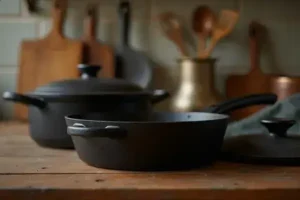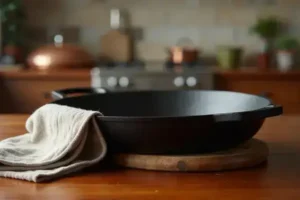
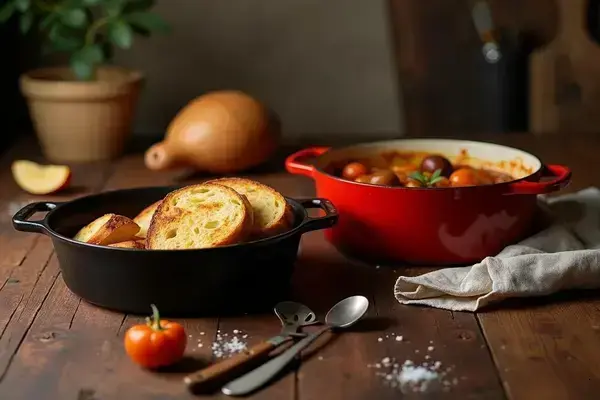
Picture this: you’re standing in the kitchen aisle, one hand on a sturdy Lodge skillet, the other lingering over a bold, colorful Le Creuset Dutch oven. Which one actually deserves a spot in your kitchen?
Choosing between these iconic cast iron brands isn’t just about price tags — it’s about the meals you dream of making, the feel of quality in your hands, that low-key anxiety that comes with buying a piece meant to last a lifetime. Get it wrong and you could be stuck with regrets… or a kitchen tool you barely use.
By the time you finish this guide to lodge vs le creuset guide compare, you’ll know exactly which brand suits your style, budget and cooking ambitions. Ready to finally settle the debate?
What Really Sets Lodge And Le Creuset Apart
Ever wonder why some cast iron owners swear by Lodge, while others seem almost poetic about their Le Creuset? On the surface, both brands promise generations of use and picture-perfect searing—but there’s a world hiding beneath those glossy coatings and matte blacks.
Here’s the thing: Lodge and Le Creuset have completely different design philosophies. Lodge is American-made, known for its pre-seasoned, rougher cast iron surfaces. They favor tradition, durability, and a wallet-friendly price tag. Le Creuset, born in France, is luxury incarnate—enameled, vibrantly colored, with a glassy-smooth finish you could nearly see yourself in.
💡 Pro Tip: According to the Cookware Manufacturers Association, enamel coating on cast iron (like Le Creuset’s) not only boosts aesthetics but prevents rust, while raw cast iron (as in most Lodge pieces) might demand more attention but delivers a deeper, smoky seasoning over time.
In practice: picture this scenario—your Lodge skillet looks tough and rustic, with a surface that grips oil well and slowly builds flavor layers. Your Le Creuset Dutch oven? It’s the showpiece at Sunday dinners, turning out flawless stews while its smooth interior wipes clean with barely any scrubbing.
- Origin: Lodge is proudly made in Tennessee, USA. Le Creuset is crafted in Fresnoy-le-Grand, France.
- Main Surface: Lodge uses seasoned, raw cast iron. Le Creuset opts for a porcelain enamel coating inside and out.
- Finish: Lodge’s texture is slightly grainy for better seasoning development. Le Creuset is ultra-smooth for easy care.
| Feature | Lodge | Le Creuset |
|---|---|---|
| Origin | USA | France |
| Finish | Raw, pre-seasoned cast iron | Porcelain enamel (non-stick) |
| Color Range | Matte black/gray | Wide—flame orange, blue, white, more |
| Price Range* | Low to mid ($40–150) | Premium ($200+) |
| Maintenance | Requires regular seasoning | Minimal—dishwasher safe |
*Based on listed prices at Williams Sonoma and Lodge’s official site, 2024.
But there’s a detail even longtime cooks forget: those differences in surface and coating don’t just affect cleaning—they actually change how you cook, what flavors you build, and how your meals look on the table…
Breaking Down Construction, Materials And Craftsmanship
What really happens inside those famous cast iron foundries? When you compare Lodge and Le Creuset, the differences in construction and materials start to matter—not just for cooks, but for every meal you serve.
- Lodge uses pure cast iron, molded using sand casting. This classic technique gives each piece a unique surface texture. It’s seasoned with natural vegetable oil at the factory, which means it’s ready to use right out of the box.
- Le Creuset blends tradition with innovation: their cast iron cores are carefully poured, then finished with multiple coats of vitrified porcelain enamel. This glass-like surface locks out rust and creates signature colors.
💡 Pro Tip: According to The Cookware Manufacturers Association, always avoid sudden temperature changes with cast iron—especially with enameled pieces. Thermal shock can lead to cracks, especially if you go straight from stovetop to cold water.
Picture this scenario: You’re prepping chili for a cold Saturday. Your Lodge pan, with its slightly textured surface, grips browned meat perfectly and creates a smoky fond at the bottom. Meanwhile, your friend’s Le Creuset Dutch oven keeps onions from sticking, and the interior stays pristine—even after hours on the simmer.
| Aspect | Lodge | Le Creuset |
|---|---|---|
| Base Material | 100% Cast Iron | Cast Iron Core + Porcelain Enamel |
| Manufacturing | Traditional Sand Casting | Hand-Finished, Multi-Coat Enameling |
| Surface | Raw Seasoned (Matte, Grainy) | Glassy, Non-Porous Enamel |
| Color Options | Classic Black/Grey | Wide Range (Flame, Cerise, Marine, Many More) |
The difference isn’t just about looks. Lodge’s coarser texture means it develops seasoning—the naturally nonstick patina—more easily over time. Le Creuset’s enamel, on the other hand, prevents food from reacting with the iron, so it’s perfect for tomato sauces or wine-based braises.
- Consider the weight: both brands are heavy, but Le Creuset’s thicker enamel layer can add extra heft.
- Think about cleaning: Lodge requires drying and light oiling, while Le Creuset is dishwasher safe (per manufacturer’s guidelines).
- Decide on flexibility: uncoated cast iron can handle high heat, even open fire; enamel coating isn’t meant for open flames or rough metal utensils.
- Pay attention to the handle design: Lodge sticks with traditional integrated handles. Le Creuset uses wide, easy-to-grip, oven-mitt-friendly handles.
- Evaluate lifetime: both claim decades of use, with Le Creuset providing limited lifetime warranties through official retailers.
But what actually matters for everyday cooking—heat retention, flavor, convenience? What you discover next could totally change your daily kitchen routine…
Heat Retention, Cooking Experience And Everyday Usability
Ever had a pan that’s cold at one edge and scorching at the other? When it comes to cast iron, heat retention and evenness matter—both for your dinner and your peace of mind. So, how do Lodge and Le Creuset really compare beyond the sales pitch?
- Lodge: Known for thick, uncoated cast iron, Lodge pans soak up heat steadily and radiate it evenly. They’re unbeatable for tasks like frying steak—sizzling crust, no cold spots.
- Le Creuset: The enamel isn’t just for looks. It helps prevent food from sticking and promotes more consistent browning, especially for slow braises and delicate sauces. The enamel layer, though, can mean a bit slower heat-up time.
| Experience | Lodge | Le Creuset |
|---|---|---|
| Heat Retention | Excellent – stays hot longer | Excellent – very stable temperatures |
| Cooking Surface | Raw, requires seasoning, needs oil | Enamel, easy-release, low-stick |
| Usability | Rustic, durable, best for high-heat | Gentle on ingredients, ideal for slow and acidic cooking |
| Day-to-Day Care | Hand wash, re-oil, avoid soaking | Dishwasher safe, non-reactive, less fuss |
💡 Pro Tip: The James Beard Foundation notes the best results in cast iron come when you preheat for at least 5 minutes—whether raw or enameled. Patience delivers those crispy, professional edges every time.
In practice: you’re pan-searing burgers on a Lodge skillet. The heat’s fierce and reliable; sear both sides to golden perfection without moving the pan. The next night, you’re simmering a tomato-rich stew in Le Creuset—no metallic taste, zero stubborn stains afterward.
- Preheat thoroughly—don’t rush this step.
- If using Lodge, add oil and spread evenly before ingredients.
- For Le Creuset, medium heat is enough; high heat isn’t necessary and can damage enamel.
- Don’t overcrowd the pan—this ruins browning and lowers temperature fast.
- Mind your utensils: avoid metal on enamel, and always dry cast iron promptly to prevent rust.
But here’s a truth most shoppers forget: it’s not just the technical performance, it’s what fits your actual routine—and your budget. What you’ll pay for these daily perks might surprise you…
Price Differences: What Do You Actually Get For The Money?
Have you ever compared the price tags and wondered: what really makes one cast iron piece worth $40 and another $400? Here’s where the math—and the value—starts to get personal.
- Upfront cost: A standard Lodge skillet often sells for less than $40 at major retailers, while a similarly sized Le Creuset Dutch oven can reach $300–$400 or more. You’re paying not just for the pan, but for decades of expertise, design, and finishing techniques honed in their French factories.
- Durability: Both brands tout “generational” longevity, but Le Creuset’s enamel coating resists rust and frequent heavy cleaning. Lodge’s raw iron might last even longer with proper seasoning, but requires regular care.
- Warranty and support: Le Creuset offers a limited lifetime warranty—replacement in case of manufacturing defects, which is validated by official Le Creuset retailers. Lodge warranties are solid too, but less generous for cosmetic or user error issues.
💡 Pro Tip: According to Consumer Reports, if you’re a casual cook making hearty basics—cornbread, steaks, fried chicken—Lodge offers world-class utility for minimum spend. But for frequent braising, acidic recipes, and showpiece presentation, Le Creuset stands out as splurge-worthy.
Let’s put the numbers side-by-side for clarity:
| Consideration | Lodge | Le Creuset |
|---|---|---|
| Typical Price | $40–$150 | $250–$500 |
| Lifetime Warranty | Yes (Limited) | Yes (Limited, more expansive) |
| Maintenance | Re-season, avoid dishwasher | Enamel, dishwasher safe |
| Style/Color | Classic, utilitarian | Signature vibrant hues |
| Best For | Everyday classics, budget-savvy cooks | Gifting, deep braises, design lovers |
In practice: imagine a family buying their first cast iron—opting for Lodge, they enjoy maximum function with little financial risk. A dedicated home chef saving for Le Creuset may feel that instant pride every time the bold, glossy pot goes from oven to table.
- Weigh your priorities: utility or luxury?
- Decide frequency of use—occasional vs. daily serious cooking.
- Check kitchen needs: oven size, storage, expected recipes.
- Factor in aesthetic—do you want neutral or a pop of color?
- Compare retail offers, especially during holiday sales for both brands.
But here’s exactly where most people make the most common mistake—choosing only by brand or price, rather than matching cookware to the way you actually cook…
When To Choose One Brand Over The Other
So, when should you pick Lodge — and when does Le Creuset make more sense? The answer isn’t just about price tags, but about your cooking style, kitchen routine, and even the moments you want to create.
- Choose Lodge if: You want durable, no-nonsense cookware for searing, frying, baking, or grilling on any heat source. Lodge is practically indestructible, especially for high-heat or campfire use. Great if you value utility over looks.
- Pick Le Creuset if: Presentation matters, braises or soups are in your weekly rotation, or you want something that glides from stovetop to table. Le Creuset shines in slow-cooked, acidic recipes and wins at special occasions where that bright lid makes a statement.
- Consider your maintenance style: Don’t want to worry about rust or re-seasoning? Le Creuset is low-fuss but more fragile to chips. Lodge rewards care with decades of use, but expects you to put in a little time after each meal.
💡 Pro Tip: America’s Test Kitchen points out: there’s absolutely nothing wrong with owning both. Use Lodge for pan pizzas and backyard steaks; break out Le Creuset for risotto or coq au vin. Each one plays a different role in your kitchen lineup.
In practice: picture this scenario — on a busy weeknight, you reach for Lodge for its low-maintenance toughness. For Sunday dinner or impressing guests? That splash of Le Creuset color gets the spotlight, and the clean-up’s a breeze.
| Best For | Lodge | Le Creuset |
|---|---|---|
| Daily Cooking, High Heat | ✔️ | Limited |
| Acidic or Saucy Recipes | Can react, needs care | ✔️ |
| Style/Color Options | Classic, subtle | Bold, decorative |
| Budget Friendliness | ✔️ | Splurge |
| Low Effort Maintenance | Requires seasoning | ✔️ |
- Assess what you cook most: steaks or stews?
- Consider your cleaning routine: hands-on or hands-off?
- Think about kitchen aesthetics: display or utility?
- Set your budget for both short and long term.
- Don’t forget—sometimes, having both maximizes your flexibility.
Once this is in place, the rest of the routine falls into place naturally.
Your Cast Iron Choices, Simplified
If you take just one thing from this lodge vs le creuset guide compare guide, let it be: the best cast iron is the one that fits your kitchen, your style, and your daily routine. We broke down the differences in materials, cooking experience, and what your investment actually buys you. Now you know what sets each brand apart.
Before, you might have felt lost in that store aisle—unsure if you were paying for true quality or just a famous name. Now, you can spot what really matters and finally choose with confidence. Your next skillet or Dutch oven? It’s going to work hard and look beautiful—because you know what works for you.
Do you already have a favorite, or are you still on the fence between Lodge and Le Creuset? Share your winning pick and any must-try recipes in the comments below!

Blake Aaron Mercer is a cast iron cookware enthusiast and home cook dedicated to helping everyday people get the most out of their skillets, Dutch ovens, and griddles. With years of hands-on experience seasoning, restoring, and cooking with cast iron, Blake built Hnnew to be the honest, practical cast iron resource he always wished existed when he was starting out.