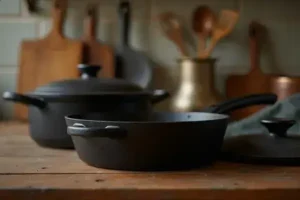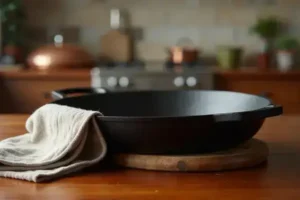
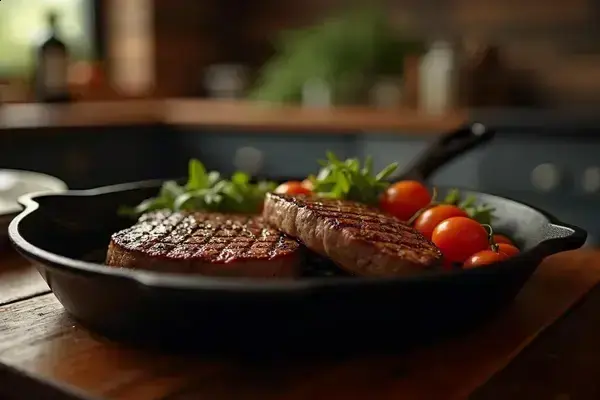
It’s dinnertime and you’re craving those perfect grill marks—but stepping outside to the barbecue just isn’t happening. So, you reach for your indoor grill pan and…the results? Well, let’s just say they never look like the photos.
Here’s the thing: trying to buy the right cast iron grill pan can turn into a headache fast. Too many options, conflicting reviews, and pans that promise flawless searing but end up collecting dust on your shelf. If your kitchen dreams routinely get squashed by soggy veggies and uneven steak, you’re not alone.
By the end of this guide, you’ll know exactly which pan deserves a spot on your stovetop, how to care for it, and why the cast iron grill pan guide buy is your secret to mastering indoor grilling. Ready to finally serve up real-deal flavor—right from your own stove?
Why Choose A Cast Iron Grill Pan For Indoor Cooking
Why settle for another kitchen gadget that barely delivers flavor when you can unlock real grill magic right on your stovetop? The truth is, a cast iron grill pan isn’t just another piece of cookware — it’s your ticket to restaurant-level searing, juicy meats, and those iconic char lines you crave, rain or shine.
Here’s the thing: cast iron is celebrated for one reason above all others — heat retention. Unlike thin, aluminum pans, cast iron holds and distributes heat evenly. That means steak cooks the way it’s supposed to: caramelized outside, tender inside. Most pros agree — the James Beard Foundation calls cast iron an “essential chef’s tool” for precisely this reason.
💡 Pro Tip: Preheat your cast iron grill pan for at least five minutes before adding food. The difference shows up in deeper searing and much less sticking.
What Really Sets Cast Iron Apart?
- Authentic Grill Marks: Those ridges aren’t just for looks — they keep food above its drippings, so your burger or chicken isn’t steam-cooked but actually grilled, even inside.
- Superior Searing: High heat retention means more flavor locked in. Stainless can’t keep up, and nonstick never delivers the same crust.
- Incredible Durability: With proper care, a quality cast iron grill pan lasts decades — often becoming a family heirloom.
In practice: Picture this scenario — it’s a weeknight. You toss asparagus spears and a pork chop onto your seasoned cast iron. Within minutes, rich grill lines form, and the kitchen fills with mouthwatering aromas. Compare that to the pale, floppy results from a basic skillet, and suddenly the upgrade makes sense.
| Material | Heat Retention | Grill Marks |
|---|---|---|
| Cast Iron | Excellent | Deep, crisp sear lines |
| Stainless Steel | Moderate | Light marks, dries out easily |
| Aluminum Nonstick | Poor | Faint or no grill lines |
The USDA and independent cookware safety groups highlight another crucial factor: cast iron imparts trace iron into food, supporting nutritional needs — a benefit not seen with most modern pans.
But there’s one detail most owners completely overlook until it’s too late…
Understanding Grill Pan Sizes, Shapes, And Surfaces
Ever wonder why that gorgeous steak fits awkwardly in your grill pan — or why your veggies clump instead of charring evenly? Choosing the right size, shape, and surface isn’t just about aesthetics. It’s the secret sauce for flavor and convenience during every single cook.
Let’s talk size first. Cast iron grill pans typically range from 8 inches up to 12 or even 15 inches wide. The bigger the pan, the more room for batch cooking. But if you own a smaller stovetop or cook for one or two, a compact 10-inch pan might actually deliver better heat distribution. The Culinary Institute of America notes that overcrowding food leads to steaming, not searing — so matching pan size to your meal counts.
- Small (8–10 inches): Perfect for apartment living or quick solo meals.
- Medium (10–12 inches): The sweet spot for families and versatility.
- Large (12–15 inches): Entertainers or anyone grilling for a crowd — but check your burner space first!
Shapes and Why They Matter
Oval pans allow for longer cuts of fish or multiple pork chops, while square grill pans maximize surface area on typical stovetops. Round pans fit standard burners well, but can leave you elbow-deep in crowded corners. Worth noting: square pans are the most popular among home chefs, according to Consumer Reports.
| Shape | Best For | Potential Downsides |
|---|---|---|
| Square | Steaks, veggies, multiple burger patties | Bulky to store |
| Round | Classic aesthetics, easier storage | Less total grilling space |
| Oval | Fish fillets, sausages, longer items | May straddle burners unevenly |
💡 Pro Tip: Look for grill pans with deep, well-defined ridges. According to America’s Test Kitchen, higher ridges mean better separation from fat and stronger grill marks.
Let’s not forget about surface finishes. Enamel-coated cast iron is easier to clean — but some say it gives up a touch of that classic “seasoned” nonstick magic. Bare cast iron offers a natural, evolving nonstick layer when well-seasoned, but it does require diligence in drying and oiling.
In practice: you grab your square, 12-inch pan with bold ridges for Saturday burger night. The grill lines come out beautifully — no fuss, zero sticking, even browning. Next week, you try the same meal on your old small round pan, and your burgers squish together, denying both good marks and that mouthwatering sear.
What actually works might surprise you…
How To Season, Care For, And Maintain Cast Iron
Ever pulled a cast iron grill pan from the cupboard only to find it sticky, rusty, or stubbornly dull? That’s the raw truth behind a neglected pan — but regular care is way simpler than most believe. If you nail the basics of seasoning and upkeep, your grill pan can become the centerpiece of your kitchen for generations.
The Essential Care Steps For Cast Iron
- Wash Quickly (No Soak): Right after cooking, rinse with hot water while the pan’s still warm. Avoid soaking or using soap — both can strip seasoning.
- Scrub Gently: Use a stiff bristle brush or even coarse kosher salt as a scrub for stuck-on bits. Skip metal pads; they scratch off the precious coating you’ve built.
- Dry Immediately: Set the pan on low heat for a few minutes right after washing. Air drying lets moisture linger — and rust move in.
- Oil Thinly: While warm, rub the pan with a tiny amount of neutral cooking oil (canola or flaxseed are favorites). Wipe off excess until it’s just a sheen, never sticky.
- Re-Season As Needed: When food sticks or the surface looks dull, bake it upside-down at 400°F for an hour (with foil to catch drips). Annual deep seasoning revives even the most tired pans.
- Required items: Stiff-bristle brush, kosher salt, neutral oil, paper towels, oven-safe gloves, aluminum foil.
- Time needed: 5 minutes for routine care, 1 hour for deep re-seasoning.
⚠️ Important Warning: The Lodge Manufacturing Company and the CDC both urge cooks never to leave damp cast iron unused. Rust begins forming in just a few hours — and it’s much harder to fix than to prevent.
Picture this scenario: You’re cleaning up after grilling, and you leave the pan to soak ‘just for a minute’ while you eat. The next morning, you find orange spots blooming where water pooled. Now, what could’ve been a two-minute wipe-down turns into a finicky rust removal project. Trust me, drying and oiling is the ultimate two-minute hack you’ll never regret.
And this is exactly where most people make the most common mistake…
Comparing Top Brands And Models For Every Budget
So you’re standing in the cookware aisle, caught between three price tags and a dozen promises—how do you know which grill pan is truly worth your hard-earned cash? The difference between brands runs deeper than a logo; it shows in build, finish, and long-term satisfaction. Reliability matters just as much as style when you’re investing in something built to last decades.
| Brand / Model | Unique Strengths | Drawbacks |
|---|---|---|
| Lodge 10.5″ Square Grill Pan | Affordable, pre-seasoned, made in USA, trusted since 1896 | Heavier than most, handles can get very hot |
| Le Creuset Signature Grill Pan | Enamel-coated for easy cleaning, vibrant color range (17+), 100-year warranty | Premium price, a bit less durable if dropped |
| Staub Cast Iron Grill Pan | Chunky ridges for dramatic grill marks, matte black enamel for nonstick effect | High price tag, limited color options |
Picture this scenario: You want to sear salmon and delicate veggies on a Friday, but Saturday night is all about ribeye. A Lodge pan earns high marks by experts at the Good Housekeeping Institute for “workhorse value”—it’ll do both jobs well, though you’ll notice the weight if you have wrist issues. Meanwhile, Le Creuset and Staub both show up in Michelin-star kitchens for a reason: their enamel resists sticking better as the years go by, and the color options have genuine countertop appeal.
- Tight budgets: Go Lodge—maximum durability for the price, and easy to find online or in-store.
- Lifestyle cooks (love a pop of color): Le Creuset’s personality-packed pans are legendary, and their warranty is unmatched.
- Grill mark perfectionists: Staub’s deeper, sharper ridges offer unmatched sear lines, especially if you’re a steak devotee.
💡 Pro Tip: Check the warranty details and origin. According to Consumer Reports, pans made in the USA, France, or Germany have stricter quality oversight than generic imports.
What actually works might surprise you…
Troubleshooting Common Cast Iron Grill Pan Issues
Is your cast iron grill pan more of a frustration than a showpiece? Sticky food, rust spots, and uneven heating can ambush even seasoned cooks. These problems are annoyingly common — but the solutions are refreshingly simple when you know what to look for.
- Food Sticking: Usually, the surface isn’t hot enough or the seasoning is thin. Always preheat your pan for at least 5 minutes. If things are still sticking, it’s time for a quick re-seasoning session.
- Rust Formation: A little rust isn’t the end of your pan’s story. Scrub the affected area with a paste of kosher salt and a few drops of oil. Rinse, thoroughly dry, and rub with oil before heating dry on the stove for a few minutes. If rust keeps coming back, check if you’re storing it damp.
- Uneven Cooking: Not all burners heat a heavy pan evenly. Try preheating longer, moving the pan occasionally, or using an induction-compatible grill pan (the National Kitchen & Bath Association recommends induction for precise heat control).
💡 Pro Tip: If you notice flaking or splotchy seasoning, clean the pan well, dry fully, and do a deep oven-based reseason (400°F, 1 hour). Flaking is just built-up layers and not a flaw, but it can affect food’s taste and texture.
Quick-Reference: Problem / Likely Cause / Fix
| Problem | Main Cause | Suggested Fix |
|---|---|---|
| Sticky residue after cleaning | Too much oil, not enough heat | Heat pan on stove, wipe away excess |
| Bland or gray-colored food | Low heat, thin seasoning layer | Preheat longer; deep-reseason pan |
| Metallic or off tastes | Improper cleaning agents | Rinse with hot water; avoid detergents |
In practice: imagine cleaning up after taco night, only to find strips of steak stubbornly glued to the grates. You grab a silicone spatula, but even that doesn’t budge them. Turns out, next time, a longer preheat and light oil brush makes all the difference.
Once this is in place, the rest of the routine falls into place naturally.
Your Indoor Grilling Just Leveled Up
If you take just one thing from this cast iron grill pan guide buy, let it be: the right pan, cared for and chosen with intention, is the key to bold flavors and effortless meals indoors. Remember the essentials—size and shape matter, seasoning pays off, and quality brands bring years of satisfaction.
Maybe you started with mismatched pans and clingy chicken, but now you know exactly what makes indoor grilling both easy and rewarding. You’ve got the confidence to pick the right model, fix sticky problems, and show off those gorgeous grill marks—even when it’s pouring outside. The cooking experience changes completely when you’re equipped for success.
Which tip or brand are you excited to try in your own kitchen? Share your plans—or your cast iron wins and woes—in the comments below!

Blake Aaron Mercer is a cast iron cookware enthusiast and home cook dedicated to helping everyday people get the most out of their skillets, Dutch ovens, and griddles. With years of hands-on experience seasoning, restoring, and cooking with cast iron, Blake built Hnnew to be the honest, practical cast iron resource he always wished existed when he was starting out.