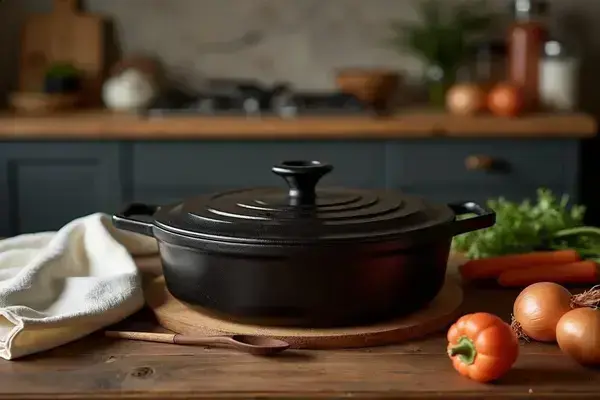
Picture this: You spot a gorgeous cast iron Dutch oven on sale—shiny, hefty, practically promising the perfect loaf of sourdough. But is it really the one you’ll love years from now?
The kitchen is full of regrets—scratchy pans, chipped lids, meals stuck fast no matter how much you scrub. If you choose wrong, that Dutch oven might become just another heavy regret stuffed in the cabinet.
By the end, you’ll know exactly what sets the best apart, what to avoid, and how to shop smart for your cast iron dutch oven buying guide. The right pick will have you serving up memories, not messes—let’s check what truly matters next.
Understanding Cast Iron Quality And Materials
Let’s get real: not all cast iron is created equal. One skillet might last three generations, while another cracks under medium heat or rusts so fast you barely use it twice. So what separates high-quality cast iron from the disappointing knockoffs?
Understanding cast iron quality means looking beyond weight and price. The blend of iron, the foundry process, and even the finish (seasoned versus enameled) impact how evenly heat spreads, how well food releases — and how much maintenance you’ll face every week.
💡 Pro Tip: According to America’s Test Kitchen, the smoothness of a cast iron’s interior isn’t just about looks; polished or sanded finishes help food glide and make cleanup a breeze compared to grainy, pebbly surfaces.
What Makes Premium Cast Iron Stand Out?
| Factor | What to Look For | Watch Out For |
|---|---|---|
| Metal Composition | Pure cast iron or high-carbon iron blend | Unknown alloys, overly light pans |
| Mold Method | Sand-cast, hand-finished foundry work | Machined, mass-produced casting |
| Surface Texture | Smooth, semi-polished interior | Rough, porous or bumpy surfaces |
| Finish Type | Factory-seasoned or quality enamel | Thin/uneven factory coatings |
In practice: imagine you’ve picked up a no-name Dutch oven next to a famous Le Creuset model. At first glance, both feel hefty. But run your palm along the inside — one is slick, nearly glassy, the other feels gritty. That difference matters the first time you sear a roast or bake bread.
Trusted sources like the Cookware Manufacturers Association recommend verifying if a product meets US or European quality standards. Opt for brands with transparent processes: Lodge, Staub, and Le Creuset are known for rigorously tested foundry traditions.
And honestly? If in doubt, ask for details about the materials or origin before you buy. You deserve cookware that outlasts trends — not a headache hiding under the lid.
But there’s one detail most owners completely overlook until it’s too late…
Choosing The Right Size And Shape For Your Needs
Ever bought cookware that just didn’t fit inside your oven—or worse, felt like paddling a canoe when cleaning or storing it? Choosing the right Dutch oven size and shape isn’t as simple as grabbing the biggest or prettiest pot on the shelf. It’s about matching your real-life habits, recipes, and available space to the specs that make dinner a whole lot easier (and tastier).
The truth is: capacity gets most of the attention, but it’s not the only thing to consider! Diameter, depth, handles, and even the curve of the sides shape how you cook. If you mainly make soups for six, you’ll need something very different from someone roasting a chicken or serving one.
- Think Meals First: Consider your most-cooked dishes—family stews, small roasts, artisan loaves—then look for a size that actually fits the quantity.
- Check Oven Specs: Measure your oven racks before buying. Not every 7-quart Dutch oven fits every home kitchen, especially with thick handles or wide flared lips.
- Portion for Leftovers: Standard advice: 1 quart per adult eater. But if you want leftovers, size up by a quart.
- Shape Matters: Round Dutch ovens are classic and fit most stovetops. Oval ones excel at long cuts or whole poultry, but sometimes hog two burners and may heat unevenly on smaller ranges.
- Handle Comfort: Don’t ignore how you’ll move the pot. Thick, wide handles are safer with oven mitts—and less risk of soup disasters.
💡 Pro Tip: According to the James Beard Foundation, a 5.5-quart round Dutch oven is the best all-purpose size for most households—big enough for bread and braises, manageable enough to lift when full.
Quick Reference Table: Size And Shape Choices
| Typical Use | Recommended Size/Shape | Notes |
|---|---|---|
| Baking Bread | 4.5-5.5 qt Round | Optimal oven spring; fits 1kg dough |
| Family Soups or Stews | 6-7.5 qt Round | Serves 4-8; even simmering |
| Whole Chicken or Large Roasts | 7-9 qt Oval | Accommodates long cuts, but bulky |
In practice: imagine getting your dream Dutch oven, but it bumps your oven’s top coil every time you close the door—suddenly, weeknight dinners feel like a tightrope act. That’s why expert advice from sources like Cook’s Illustrated insists on measuring twice, buying once.
But there’s one feature you’ll need to check—beyond size and shape—if you want a Dutch oven that actually fits your kitchen routine…
Essential Features To Compare Before Buying
Ever stood in a cookware aisle, staring at rows of Dutch ovens that look almost identical—only to realize you have no idea which details actually matter? The key to avoiding buyer’s remorse is knowing exactly which features separate a lasting investment from a kitchen shelf-dweller.
It’s not just about color. Lid fit, weight, handle design, and even the shape of the knob can affect how safe, convenient, and naturally nonstick your Dutch oven will be. More surprisingly, the difference between basic and premium brands is often hiding in these overlooked details.
- Lid Fit: A heavy, tight-fitting lid locks in steam for tender meats and better bread crust. Loose lids leak flavor and slow down cooking.
- Weight: Heavier pots tend to retain heat better, but ultra-heavy models can make cleanup a dreaded chore—look for something you can lift, even when full.
- Knob Material: Stainless steel knobs (oven-safe to 500°F and up) beat plastic every time for versatility and safety.
- Handle Size & Shape: Wide, easy-grip handles accommodate thick oven mitts and help avoid kitchen accidents.
- Enamel Quality (if applicable): Look for smooth, chip-resistant coatings. Some brands use three layers of enamel for extra durability.
⚠️ Important Warning: According to the National Sanitation Foundation, chipped enamel or poorly sealed cast iron can harbor bacteria and affect food safety. Always inspect cookware closely before first use.
Feature Comparison Table: Essential Dutch Oven Details
| Feature | Premium Option | Low-End Option |
|---|---|---|
| Lid Fit | Snug, moisture-locking seal | Loose, steam escapes |
| Handles | Wide, ergonomic, easy grip | Tight, thin, hard to lift |
| Enamel | 3-layer, chip-resistant | Single-layer, prone to chips |
| Knob | Stainless steel, high-heat | Plastic, may melt or crack |
| Weight | Balanced, easy to lift | Extra heavy or too flimsy |
Picture this scenario: you bring home a sale-priced Dutch oven, only to discover the lid rattles, the handles pinch your hands, and the interior stains after just one pot roast. Suddenly, that “bargain” doesn’t feel so smart.
Brand reputations reflect decades of feedback and testing—the Consumer Reports annual review consistently finds Le Creuset, Staub, and Lodge as standouts for user-friendly features and reliability.
And this is exactly where most people make the most common mistake…
How To Test Build Quality And Weight In-Store
How do you know if a Dutch oven will actually stand up to years of use—or if it just looks pretty on a shelf? Build quality isn’t something you can see on the price tag alone; you’ve got to get hands-on in the store.
Here’s the thing: expert reviewers at Good Housekeeping and the Cookware Manufacturers Association both recommend a physical test drive. Getting tactile helps you spot flaws, balance issues, or comfort missteps that online specs rarely reveal.
- Check for Warps and Wobbles: Place the pot (and its lid) on a flat surface. It should sit perfectly still—no rocking, jiggling, or gaps under the edges. Test the lid’s seal by pressing gently; a quality piece will barely move or rattle.
- Feel the Handles: Slip your fingers through the side handles or, if possible, grab with a thick oven mitt. The design should feel balanced and secure, not pinched or slippery.
- Inspect for Smoothness: Run a hand around the rim and inside the pot. Any sharp, rough, or gritty patches can mean lower production standards and higher risk of cracks or uneven heating.
- Weigh It (Literally): A true cast iron Dutch oven is heavy, but you shouldn’t struggle to lift it when empty. Now imagine it full—will you be able to pour stew for dinner guests without risking a wrist strain?
- Check for Chips or Flaws: Especially on enameled versions, inspect the finish closely in good light. Small dings or pinholes are red flags for long-term durability—and could affect food safety.
💡 Pro Tip: Picture this scenario: you’re excited to use your new Dutch oven, but halfway through your first chicken roast, you notice the lid lets steam escape or the pot tilts on your stove. Testing in store could save you that frustration.
- MATERIALS NEEDED (in-store):
- Flat countertop or display table
- Clean hands and, if possible, an oven mitt
- Good overhead lighting
According to Consumer Reports, hands-on inspection is the most reliable final check before investing in popular brands like Staub, Lodge, or Le Creuset. Don’t rush—just a few minutes handling the goods reveals far more than a glossy box ever will.
But what actually works when it comes to caring for your new Dutch oven might surprise you…
Cleaning, Seasoning, And Lifetime Care Tips
Ever felt nervous about cleaning or seasoning your Dutch oven—worried you’ll ruin a prized piece with the wrong move? The truth is, proper care is far less mysterious (and scary) than you think. You just need the right steps for either bare cast iron or enameled surfaces.
- Let Cool Before Cleaning: Plunge a hot Dutch oven under cold water, and you might cause thermal shock—leading to cracks. Always let it cool down first.
- Gentle Wash Only: Bare cast iron? Use warm water and a stiff brush—skip the dish soap unless it’s really needed. For stubborn bits, boil water in the pot to loosen residue. Enameled pots can handle mild dish soap.
- Dry Thoroughly: Any leftover moisture means looming rust for bare cast iron. Set it over low heat on your stove for a few minutes after towel-drying.
- Re-season Regularly: For bare cast iron, rub a thin layer of high-smoke-point oil (like grapeseed or canola) after every few uses. Heat until it smokes slightly; this polymerizes and forms a natural nonstick layer.
- Avoid Metal Scrubbers: Stainless or copper scrubbers scratch both seasoning and enamel. Opt for nylon brushes or soft sponges.
💡 Pro Tip: According to the Lodge Cast Iron official guide, never use your dishwasher for any cast iron—seasoning and enamel can both degrade from harsh detergents and extra-hot cycles.
Quick Comparison: Bare Cast Iron vs. Enameled Care
| Task | Bare Cast Iron | Enameled Cast Iron |
|---|---|---|
| Soap OK? | Rarely | Yes, if mild |
| Needs Seasoning? | Every few uses | No — never |
| Rust Risk | High if wet or unseasoned | Low, but avoid chips |
| Best Cleaning Tool | Stiff brush, salt scrub | Soft sponge, nylon brush |
In practice: imagine finishing a triumphant chili night, only to realize you left your Dutch oven overnight in soapy water. Bare cast iron? Cue the orange specks of rust by morning. Enameled? Probably just fine—unless there’s a chip exposing the iron beneath.
The American Culinary Federation and Cookware Manufacturers Association echo these basics: gentle handling, thorough drying, and smart seasoning will keep your Dutch oven in family rotation for decades. If you ever notice flaking enamel, though, consult with the brand or a professional before risking continued use.
Once this is in place, the rest of your Dutch oven routine falls into place naturally.
Your Dutch Oven Confidence Starts Here
If you take just one thing from this cast iron dutch oven buying guide, let it be: quality and fit always matter more than brand or price. Know your materials inside and out, size for your real-life recipes, and don’t overlook how it feels in your hands. Those simple choices will set the tone for every meal you make.
Before this guide, choosing a Dutch oven felt like guesswork or a gamble. Now, you can shop with confidence and care. Instead of wondering if your next pot will disappoint or delight, you’ll recognize what works and why—whether it’s for hearty stews, crusty bread, or Sunday roasts. You’ve shifted from uncertain shopper to informed cook. That’s a big win.
What’s your top Dutch oven use—bread, braises, or something totally unique? Share your favorite Dutch oven meal or kitchen tip in the comments!

Blake Aaron Mercer is a cast iron cookware enthusiast and home cook dedicated to helping everyday people get the most out of their skillets, Dutch ovens, and griddles. With years of hands-on experience seasoning, restoring, and cooking with cast iron, Blake built Hnnew to be the honest, practical cast iron resource he always wished existed when he was starting out.