Picture this: you’re standing in your kitchen, staring at a shiny cast iron skillet for the first time—heart racing, hands a little unsure. The excitement? Real, but there’s a dash of nervousness too. Sound familiar?
The truth is, starting with cast iron can feel overwhelming—so many choices, mixed advice, and tales of pans “ruined for life.” Nobody wants to risk their first hearty breakfast to burnt eggs or stubborn rust. That uncertainty can stall even the most eager new cooks.
By the end, you’ll have a cast iron checklist starter kit that takes out the guesswork. You’ll know exactly what to buy, how to use it, and avoid rookie mistakes. Ready to cook like you mean it? Let’s get started.
Essential Pieces Every Cast Iron Beginner Needs
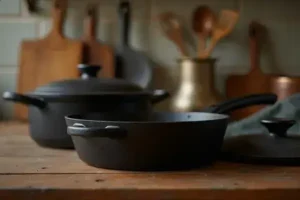
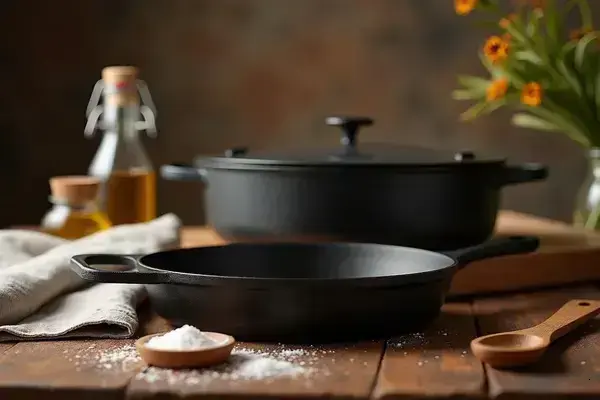
Picture this scenario: you’ve just opened the box on your first cast iron set, and you’re staring at several pieces—skillet, Dutch oven, grill pan—unsure which ones actually matter for real-life cooking. Choosing the right starting lineup won’t just make your life easier, it’ll set you up for years of flavor.
Most home cooks assume a tiny skillet will do for everything, but that’s wishful thinking. The truth is, cast iron shines brightest when you have the right tools for the job. A well-balanced starter kit empowers you to sear, bake, roast, and even grill—without juggling awkward, single-use pans that sit in the back of your cabinet.
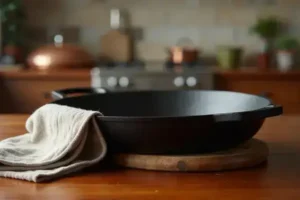
- 10-12″ Cast Iron Skillet — The true workhorse. Big enough for family meals, shallow enough for quick searing. You’ll use this daily.
- Cast Iron Dutch Oven (5-6 qt) — The king for stews and bread. Heavy, deep, and perfect for both the stovetop and oven.
- Cast Iron Grill Pan — Delivers authentic grill marks inside, perfect for steaks, chops, and veggies when outdoor grilling isn’t an option.
- Lid That Fits Both Skillet & Dutch Oven — Versatility in one piece; a multi-tasking lid saves both money and storage space.
- Heat-Resistant Handle Cover — Essential for safety since cast iron stays hot longer than any other pan.
💡 Pro Tip: According to Lodge Cast Iron, a top authority in the field, a well-curated starter kit should focus on foundational pieces that cover 90% of everyday meals, rather than collecting trendy specialty pans that gather dust.
In practice: imagine making cornbread for brunch in your skillet, then switching to a Dutch oven for slow-cooked chili that simmers all afternoon. That’s real flexibility. Experts at America’s Test Kitchen recommend starting simple, mastering those few pieces, and then expanding when (and only when) your needs truly demand it.
| Item | Best Use | Why It Belongs |
|---|---|---|
| 10-12″ Skillet | Eggs, steaks, pancakes | Main tool for daily cooking |
| Dutch Oven | Braises, breads, stews | Deep capacity, oven-ready |
| Grill Pan | Burgers, veggies | Grill year-round indoors |
But there’s one detail most owners completely overlook until it’s too late…
How To Choose Quality Cast Iron Cookware
Ever wonder why two cast iron pans can look almost identical, yet one costs three times as much—or just feels better in use? It’s not just marketing. Choosing quality cast iron starts with understanding what really makes a pan dependable, safe, and effortless to cook with night after night.
The biggest mistake most beginners make? They grab the cheapest pan on the shelf, thinking, “Cast iron is all the same, right?” The truth is, you get what you pay for—subpar materials, rough surfaces, and uneven thickness can make your cooking experience an uphill battle. Poorly made pans may even flake or rust too soon.
- Check Weight And Thickness: Quality cast iron has a substantial heft, making it durable and better at heat retention. Avoid pans that feel suspiciously light—they’re likely thin and prone to hot spots.
- Inspect The Surface: The smoother the cooking surface, the less food sticks and the easier it is to season over time. A sand-cast finish (usually found in brands like Lodge or Le Creuset) provides just enough texture for seasoning without tearing up your spatula.
- Examine Handles And Pour Spouts: A solid, wide handle is safer and more ergonomic. Pour spouts on both sides are a plus for mess-free serving, especially for sauces and gravies.
- Review The Seasoning: Many modern pans come pre-seasoned, but not all seasoning is equal. Trusted brands list their oil used (often non-GMO soybean oil). Uneven or sticky finishes? That’s a red flag.
- Check For Manufacturer Reputation: Look for brands with decades of experience and solid consumer feedback, like Lodge, Staub, and Victoria. According to America’s Test Kitchen, consistent quality control makes a noticeable difference.
💡 Pro Tip: Always run your hand along the rim and bottom of the pan—sharp edges, excessive bumps, or oddly thin areas usually signal poor casting and can even scratch glass cooktops. The Cast Iron Collectors Society confirms that older reputable brands like Griswold and Wagner (often available second-hand) are still prized for a reason: build quality stands the test of generations.
In practice: a friend of mine bought an unbranded pan online—looked great in photos, but the rough, pebbly surface made eggs stick no matter how much oil she used. After switching to a Lodge with a smoother finish and proper seasoning, she was shocked at how little she needed to “fight” for good results.
| Feature | Why It Matters | What To Look For |
|---|---|---|
| Weight | Heat retention & durability | Heavy, balanced, not flimsy |
| Surface | Nonstick & easy cleaning | Smooth, finely cast, even finish |
| Brand | Consistent quality | Reputable makers, not generics |
And this is exactly where most people make the most common mistake…
Caring For Your Cast Iron: Cleaning And Seasoning Tips
So you’ve got your first cast iron skillet. Now what? Everyone hears wild advice—”never use soap,” “never ever get it wet,” or even “just toss it in the fire.” The real trick is understanding what cast iron actually needs and what just causes unnecessary stress.
If you’re worried about ruining your investment, breathe easy. Routine care isn’t complicated, but it does require a bit of know-how. Neglect it, and rust shows up fast. Baby it too much, and you’ll end up with sticky, uneven seasoning. The key is balance.
- Rinse Promptly After Cooking: Don’t let food sit after the stove is off. Rinse your pan with warm water—never soak for hours.
- Skip The Detergent: A drop of mild soap is safe today, but most experts (like Lodge Cast Iron) say hot water and a stiff brush are all you need.
- Dry Thoroughly: Water is the enemy. After rinsing, towel-dry, then heat your pan on the stove for a minute to chase off every last drop.
- Oil, Don’t Drown: While it’s warm, rub a small amount of vegetable oil or flaxseed oil all over the surface. Wipe away the excess—shiny, not greasy.
- Season Regularly: If food starts to stick or you see dull patches, bake a thin layer of oil onto the pan at 450°F for an hour. Use pre-seasoned oil from respected brands for best results.
- Soft cotton or linen towel
- Stiff nylon brush or chainmail scrubber
- Vegetable oil, flaxseed oil, or specific cast iron seasoning oil
- Stovetop or oven
⚠️ Important Warning: According to the Cookware Manufacturers Association, avoid using steel wool or harsh chemicals—they strip your seasoning and can damage the iron’s surface.
In practice: picture this scenario—a pan left in the sink overnight, forgotten after a long day. The next morning you spot a patch of orange rust. Don’t panic. Scrub gently, rinse, dry, and repeat the oiling and heating step. With patience, that glossy black finish always comes back.
What actually works might surprise you…
Simple Starter Recipes To Master Your First Meals
Want to build confidence in your cast iron skills right away? Skip the intimidating gourmet dishes and focus on a few simple starter recipes — ones designed to let your pan shine while letting you win, even on a Monday night.
The best way to learn is by doing. These classic beginner recipes all share something in common: they build your muscle memory for heat control, seasoning, and cleanup. You’ll get savory crusts, golden browning, and happy taste testers, all without needing fancy gadgets or chef tricks.
- Classic Cast Iron Cornbread
Preheat oven and skillet at 425°F. Whisk together cornmeal, flour, baking powder, milk, eggs, and a bit of oil. Pour batter into the hot, oiled pan and bake 18-20 minutes. You’ll get a crispy bottom and a golden top every time. - Seared Steak
Bring steak to room temp, season generously with salt and pepper. Heat pan until smoking. Sear steak for 2-3 minutes each side, then finish in the oven. Rest before slicing for juicy results. - Perfect Roasted Veggies
Toss cut seasonal veggies in olive oil, salt, and pepper. Arrange in an even layer on a preheated pan. Roast at 400°F, stirring once for even caramelization, about 25 minutes. They’ll come out with amazing flavor and color. - One-Pan Breakfast Hash
Cook diced potatoes in a lightly oiled pan until browned, then add onions, peppers, and cooked sausage or bacon. Crack eggs directly on top, cover, and cook till set to your liking. - Pan Pizza
Spread pre-made dough in an oiled skillet, top with sauce, cheese, and toppings. Bake at 425°F until cheese bubbles and crust browns, about 15 minutes.
💡 Pro Tip: According to America’s Test Kitchen, cast iron pans make crispy edges easy. Always preheat your skillet for at least five minutes before adding food for the best sear or crust — it’s the secret to crowd-pleasing results.
In practice: picture this scenario — your first cornbread comes out of the oven, golden and fragrant, with edges that gently pull away from the pan and a tender crumb inside. You’ll taste victory (and a hint of comfort) with each bite.
| Recipe | Prep Time | Skill Gained |
|---|---|---|
| Cornbread | 10 min | Baking and oven finish |
| Seared Steak | 5 min | High-heat searing |
| Roasted Veggies | 8 min | Even caramelization |
| Breakfast Hash | 15 min | Multi-step stovetop cooking |
| Pan Pizza | 12 min | Crust and browning control |
And this is exactly where most people make the most common mistake…
Troubleshooting Common Cast Iron Problems
What do you do when your cast iron pan suddenly starts to fail you—rust spots creeping in, sticky patches refusing to budge, or stubborn food clinging with all its might? Even the most dedicated cooks hit these speed bumps. The real trick isn’t just fixing them, but knowing why they happen in the first place.
- Rust Appearing After Cleaning: Usually the result of not drying thoroughly or not enough oil after use.
- Sticky Residue Won’t Wash Away: Applying too much oil at once during seasoning or not heating it long enough.
- Food Sticking Consistently: Newer pans need repeated seasoning and a solid preheat—or acidic foods might’ve stripped some finish.
- Metallic Taste or Smell: Can come from acidic ingredients, harsh cleaners, or bare iron exposed after deep scrubbing.
- Uneven Black/Brown Coloring: Totally normal—your pan is developing its unique patina, which improves with use.
⚠️ Important Warning: The Council for Responsible Nutrition notes that scrubbing too hard with abrasive pads or using chemical rust removers can harm you and your cookware. Stick with kosher salt and a gentle brush for tough spots—never steel wool or harsh detergents.
In practice: picture this scenario—after a backyard breakfast, you forget your skillet outside. Next day, it’s rusty and dull. Start by scrubbing gently with coarse salt, rinse, dry well, then season with a thin layer of high-temperature-safe oil and bake at 450°F. Most pans bounce back after one or two rounds.
| Problem | Quick Fix | Prevention |
|---|---|---|
| Rust Spots | Scrub, dry, re-season | Always dry and oil after use |
| Sticky Surface | Bake pan at 450°F | Apply thin oil layers only |
| Food Sticks | Re-season & preheat | Proper seasoning, gradual use |
Small steps, repeated consistently, make the biggest difference over time.
Your Cast Iron Journey Begins Here
There’s so much noise out there, but you now have what matters: the essential starter pieces, how to find true quality, and how to care for cast iron like a pro. If you take just one thing from this cast iron checklist starter kit guide, let it be: start simple and learn by using your pans—confident cooks are made, not born.
Before, you might have been intimidated by seasoning, cleaning, or even choosing your first skillet. But now you know how to spot great cookware, prevent mistakes, and fix common issues without fear. Every meal you cook will add even more seasoning—and more confidence.
What’s the very first recipe you’re planning to try in your own cast iron starter kit? Let us know in the comments—we’d love to hear your story!

Blake Aaron Mercer is a cast iron cookware enthusiast and home cook dedicated to helping everyday people get the most out of their skillets, Dutch ovens, and griddles. With years of hands-on experience seasoning, restoring, and cooking with cast iron, Blake built Hnnew to be the honest, practical cast iron resource he always wished existed when he was starting out.